

World of Warcraft’s in-game economy has always been a topic of great discussion within the community. With the introduction of the WoW Token in 2015, Blizzard gave players a way to exchange real money for in-game gold, and vice versa. The token was designed to offer a legitimate way to buy gold without violating the game’s terms of service or participating in third-party gold selling, which had been a longstanding issue. However, the introduction of the WoW Token has sparked significant controversy. Does it help stabilize WoW’s economy, or does it hurt the integrity of the game? In this article, we’ll explore both sides of the argument surrounding the WoW Token and its impact on the game’s economy.
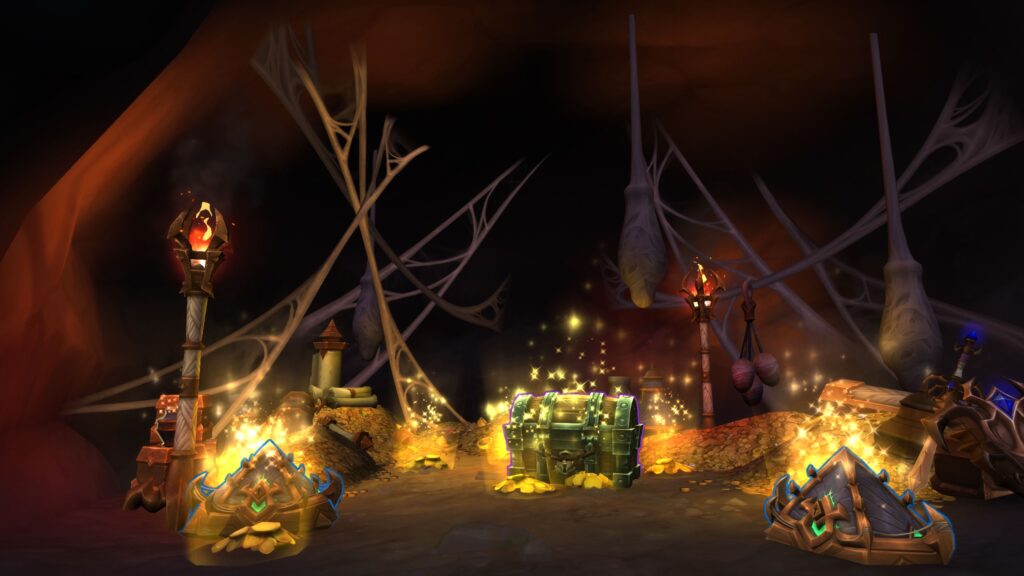
What is the WoW Token?
The WoW Token is a unique item in World of Warcraft that allows players to exchange real-world currency for in-game gold. Conversely, players can also sell the WoW Token on the Auction House for gold, which can be used to purchase items, mounts, and other goods within the game. The token was designed to give players an official, Blizzard-sanctioned way to buy and sell gold without resorting to illegal or risky third-party services.
The Purpose of the WoW Token: The primary goal behind the WoW Token’s introduction was to combat the problem of gold selling, where players would buy gold from third-party websites that often involved shady practices. It also provided an alternative for players who wanted to enjoy the game without paying a monthly subscription fee. By selling tokens for gold, players could technically play for free, as long as they were able to generate enough gold to purchase tokens on the Auction House.
The Argument for the WoW Token: A Stabilizing Force
For many players, the introduction of the WoW Token has been seen as a positive change for the WoW economy. Proponents argue that it offers several advantages that help stabilize the game’s virtual economy while also offering additional convenience for players. Let’s take a look at the arguments in favor of the WoW Token:
1. Combatting Gold Sellers and Cheating: The WoW Token provides a safe, Blizzard-approved alternative to the illicit gold-selling market. Prior to its introduction, players often fell victim to scams when attempting to buy gold from third-party websites, and these services could sometimes lead to compromised accounts or even account bans. The WoW Token eliminated the need for these shady practices, providing a secure and reliable method to buy and sell gold.
2. Reducing Subscription Costs: Another key benefit of the WoW Token is its ability to reduce or even eliminate the need for a monthly subscription. Players who generate enough gold through in-game activities can purchase a WoW Token on the Auction House, thus covering their subscription fee without having to spend real-world money. This has allowed a wider range of players, especially those with limited financial resources, to continue playing the game.
3. Gold Sink for the Economy: By adding a new gold sink into the game, the WoW Token has helped control inflation within the game’s economy. As players purchase tokens with gold, that gold is effectively removed from circulation, helping prevent the inflation of prices on the Auction House. This mechanism can help balance the economy by reducing the excessive amounts of gold in circulation.
The Argument Against the WoW Token: Market Distortion and Pay-to-Win Concerns
While the WoW Token has its supporters, there are also many players who feel that it has negatively impacted the game’s economy and overall experience. Critics argue that the introduction of the WoW Token has introduced unintended consequences that skew the game’s economy and create a “pay-to-win” environment. Let’s look at the arguments against the WoW Token:
1. Price Inflation on the Auction House: While the WoW Token can act as a gold sink, it has also contributed to inflation in the Auction House. As the demand for tokens grows, the price of the WoW Token in gold also increases. This results in higher prices for gold, making it more expensive for players to purchase gold via the Auction House. As a result, players who don’t want to spend real money may find themselves struggling to afford the token, thus creating a gap between players who can afford to pay for tokens and those who cannot.
2. Pay-to-Win Accusations: The WoW Token has led to some players accusing WoW of becoming a “pay-to-win” game. Critics argue that the ability to purchase gold directly with real money gives players an unfair advantage in the economy. Players who can afford to purchase WoW Tokens may be able to buy high-end gear, rare mounts, and other desirable items without needing to earn them in-game, potentially upsetting the competitive balance in PvP and raiding.
3. Undermining the Value of Gold: Some players feel that the introduction of the WoW Token has undermined the value of gold in WoW. In a sense, gold has become less valuable because it can now be bought directly with real money. The dynamic of earning gold through in-game activities such as gathering or crafting may be less rewarding for some players, as they see others simply buying gold to bypass the grinding process.
The Impact on the Player Experience
The introduction of the WoW Token has had a significant impact on how players interact with the game. For some, it has opened up new ways to enjoy WoW, while for others, it has created frustration and imbalance in the game’s economy. The ability to buy and sell gold through the WoW Token has provided players with more flexibility, but it has also raised concerns about fairness and accessibility.
For Casual Players: The WoW Token can be a godsend for players who cannot afford a monthly subscription but still want to play regularly. By buying tokens with in-game gold, casual players can continue enjoying the game without spending real money. However, the rising price of WoW Tokens means that only those who spend significant time in the game can realistically afford them, potentially excluding newer players or those who don’t have the time to grind for gold.
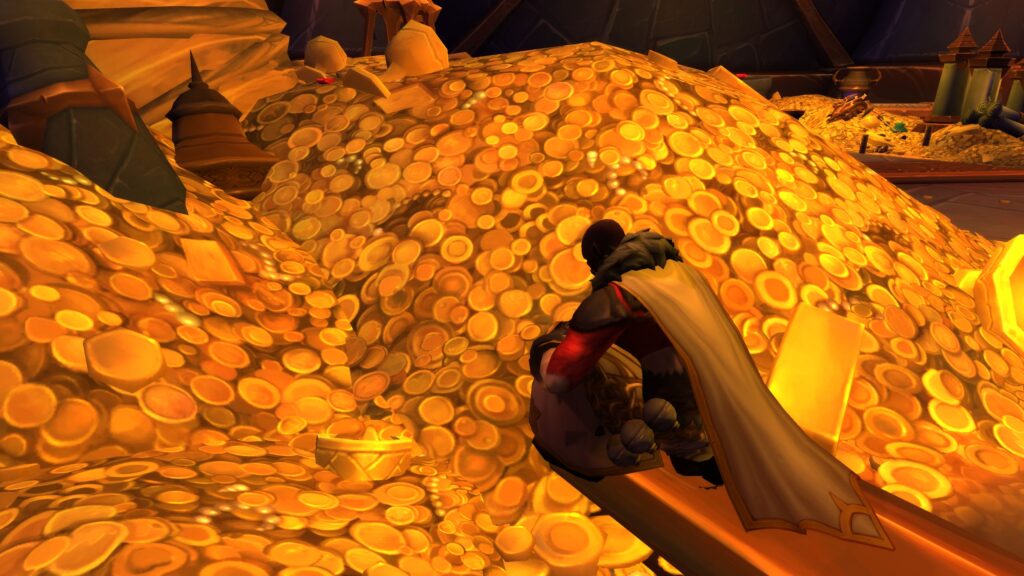
For Hardcore Players: Hardcore players, particularly those focused on high-end raiding or competitive PvP, may feel the effects of the WoW Token more acutely. As the price of tokens rises, it becomes increasingly difficult to keep up with players who can afford to purchase them, creating a sense of imbalance. Additionally, the idea that some players can bypass in-game progression by buying gold may undermine the sense of achievement that comes from grinding for gold or completing difficult content.
Conclusion: Does the WoW Token Help or Hurt the Economy?
The WoW Token has undoubtedly had a major impact on the game’s economy, offering players a new way to acquire gold and reducing reliance on third-party gold-selling services. However, its introduction has also created challenges, particularly with price inflation and concerns about a pay-to-win environment. The WoW Token provides flexibility for players who want to enjoy the game without paying a subscription, but it also raises questions about the fairness and long-term stability of the in-game economy.
Ultimately, whether the WoW Token helps or hurts the economy depends on your perspective. For some players, it has enhanced the WoW experience, making the game more accessible and providing a secure alternative to gold-selling. For others, it has created an imbalanced system where real money can influence in-game success. As with many things in WoW, it’s clear that the WoW Token is a double-edged sword that continues to shape the game’s economy and player interactions.
Home