

In World of Warcraft, before joining a raid, gather your gear and consumables, and understand your role. Familiarize yourself with the boss mechanics and adjust your equipment accordingly. During the raid, maintain clear and concise communication; know when to speak and listen. Establish and follow loot distribution rules to avoid conflicts. Own your mistakes, offer constructive feedback, and be open to advice to improve. Respect every team member’s role, stay patient, and foster a team spirit. Celebrating victories and learning from losses together builds stronger connections. Mastering these do’s and don’ts is your first step toward a rewarding raiding journey.
Key Takeaways
- Communicate clearly and use established channels to enhance teamwork and raid success.
- Familiarize yourself with raid roles, boss mechanics, and strategies in advance.
- Adhere to agreed-upon loot distribution rules to avoid disputes and ensure fairness.
- Own up to mistakes quickly and be open to giving and receiving constructive feedback.
- Foster respect and team spirit, acknowledging every team member’s contribution to the raid.
Preparing for the Raid
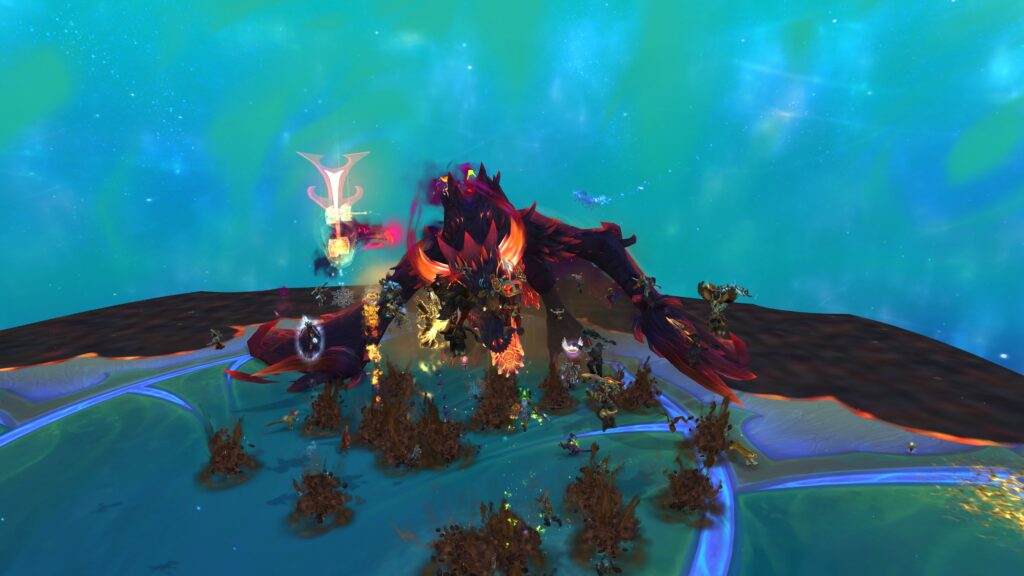
Before entering the raid, ensure you’re fully prepared by gathering all necessary gear, consumables, and understanding your role. It’s essential to communicate with raid leaders to grasp the raid composition and your specific raid role. Each guild raid presents unique challenges, and being in sync with the boss strategies discussed in raid chat ahead of time can greatly enhance your performance.
Get acquainted with the mechanics of each boss in the raid tier you’re tackling. This isn’t just about knowing when to dodge or attack; it’s about understanding the intricacies that can shift the tide of battle. Raid leaders often share insights and strategies in raid chat, providing a wealth of knowledge that can prepare you for what lies ahead.
Furthermore, adjusting your gear and consumables to match the requirements of your raid role is a step you can’t afford to overlook. Whether you’re healing, dealing damage, or tanking, your effectiveness hinges on how well your gear aligns with the needs of the raid composition. By taking these steps, you’ll not only enhance your own experience but also contribute positively to the success of your guild raids.
Communication During Raids
Effective communication is the backbone of any successful raid in World of Warcraft, guaranteeing everyone’s on the same page during the heat of battle. When you’re gearing up for progression raids, it’s essential to have a clear channel of communication. This means knowing when and how to use raid warnings effectively. These are not just for calling out mechanics but also for organizing raid spots and making sure that everyone knows their role.
Before the raid starts, make sure you’re clear on how raid invites will be handled. Will there be a pre-set time when invites go out, or is it more of a ‘first come, first served’ situation? This small detail can prevent a lot of confusion and make certain that your raid starts on time.
During the raid, keep communication concise and relevant. Progression raids can be tense, and unnecessary chatter can distract from important calls. If you’re not in charge of calling out mechanics, focus on listening and executing your role to the best of your ability. Remember, every raider’s input is valuable, but timing and relevance are key to making sure that communication enhances the raid rather than hindering it.
Loot Distribution Rules
While communication guarantees everyone’s aligned during the raid, it’s equally important to have clear loot distribution rules to avoid disputes and guarantee fairness. Here’s how you can set up a fair system:
| Method | Description | Best For |
|---|---|---|
| DKP (Dragon Kill Points) | Earn points through participation, spend on loot. | Large, regular groups. |
| Loot Council | A group decides who gets what based on need and performance. | Competitive teams. |
| /roll | Players roll in-game dice; highest roll wins the item. | Casual or PUG groups. |
Each method has its merits and is suited to different types of raiding environments. Whether you’re in a hardcore guild where loot is distributed based on performance and attendance, or a more relaxed group that prefers the simplicity of rolling, it’s crucial that everyone knows the rules before the raid starts. This clarity prevents resentment and ensures that the group remains cohesive. Always discuss and agree on the loot rules during the pre-raid meeting, and make sure new members are briefed. Remember, clear loot rules contribute to a smoother raiding experience for everyone involved.
Handling Mistakes and Feedback
In any raid, you’ll inevitably encounter mistakes, and how you handle feedback can greatly impact your team’s morale and performance. First off, it’s essential to remember that everyone’s learning. When you mess up, own it quickly and ask for advice on how to improve. Avoid getting defensive; it doesn’t help and often makes the situation tenser.
When giving feedback to others, do it constructively. Highlight what went wrong, but also suggest a way to improve. Saying, ‘Next time, let’s try positioning ourselves differently to avoid the boss’s area attack,’ is more helpful and received better than just pointing out someone died because they stood in the wrong place. Always aim to be specific in your feedback, avoiding vague comments that don’t offer a clear direction for improvement.
Respect and Team Spirit
Fostering respect and team spirit is essential for a successful raid experience. When you’re part of a raid team in World of Warcraft, you’re not just a solo player; you’re a pivotal piece of a larger puzzle. Everyone’s role is vital, and acknowledging this promotes a positive environment. Remember, a simple ‘nice job’ or ‘thanks’ can go a long way in building team morale.
Communication is key. Always be clear about your actions and intentions. If you’re planning to use a specific strategy or need assistance, speak up. This not only helps in coordinating efforts but also assures that everyone is on the same page, minimizing confusion and mistakes.
Stay patient and open-minded. Raids can be challenging, and not everyone may grasp the mechanics right away. If someone’s struggling, offer constructive feedback instead of criticism. This approach encourages learning and improvement, rather than resentment and frustration.
Lastly, celebrate your victories together and learn from your losses. Each raid attempt, successful or not, is a step towards becoming a more cohesive unit. Remember, the goal isn’t just to defeat the boss but to do so as a team. By fostering respect and team spirit, you’re not only enhancing your raid experience but also building lasting friendships within the World of Warcraft community.
Frequently Asked Questions
How Does One Handle Scheduling Conflicts or the Need to Leave a Raid Early Without Causing Disruption to the Group?
Imagine the tension as you realize you can’t stay till the end. To avoid disruption, communicate early with your team, offering as much notice as possible, and help find a replacement if you can.
What Is the Protocol for Dealing With Internet Connectivity Issues or Hardware Failures During a Raid?
If you’re facing internet or hardware issues during a raid, it’s best to inform your team ASAP. Try to fix the problem quickly, or if it’s not possible, let them find a replacement.
Are There Specific Guidelines for Streaming or Recording Raids, and How Does One Manage Spoilers or Sensitive Guild Strategies Online?
When streaming or recording raids, you’ll want to get your guild’s consent first. Be mindful about spoilers and guild strategies. Keep sensitive info off the internet to respect your team’s privacy and tactics.
How Should a Player Approach the Situation if They Feel They Are Not Receiving Equal Opportunities for Raid Participation Compared to Others in the Guild?
Like a team player benched too often, if you’re feeling sidelined in raids, it’s key to communicate. Approach your guild leaders privately, express your concerns, and ask how you can improve to earn more spots.
In the Case of Long-Term Absence (E.G., Vacation, Illness), What Steps Should a Player Take to Ensure Their Spot in the Raid Team Is Secure Upon Return?
If you’re taking a break, communicate early with your team. Explain the reason and length of your absence. Offer to help find a temporary replacement. This shows commitment and helps secure your spot when you return.
Become a WoW Master! Discover my blog for the ultimate World of Warcraft resources, from leveling tips to endgame strategies. Start your adventure today!