
Fallen Avatar is the kind of Mythic boss that guilds remember for how tightly everything has to work together. The platform breaks apart as the fight goes on, a targeted void attack punishes careless stacking, and the raid is under a hard damage requirement the entire time. This guide explains the key mechanics, how to manage the damage check, how to position, which advanced tactics help, how to prepare and what questions raiders ask most often.
What are the key mechanics?
A collapsing floor, a targeted void grasp and energy that builds toward dangerous consequences.
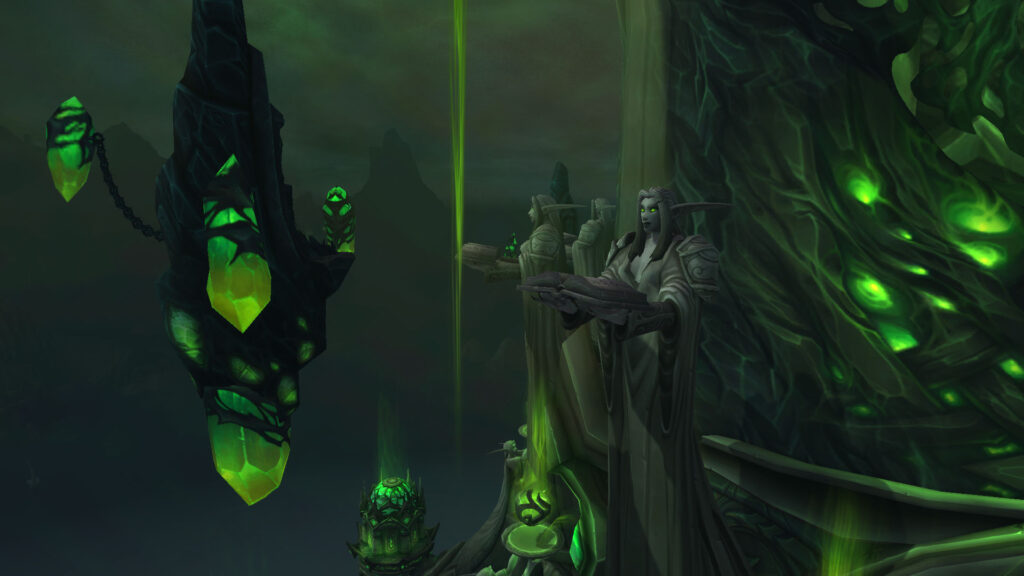
The fight is split into two phases, and each adds new problems. As the floor collapses, players have to stay on solid ground or risk falling into the void, which makes positioning a matter of survival rather than convenience. At the same time, a void attack selects players and deals heavy damage, and it needs an immediate response. On top of this, energy gathers during the encounter, and if the raid ignores it, the consequences are severe.
The strategic challenge is to keep damage high without stepping into something fatal. Communication is critical: players need to call out their positions and warn each other about where the void attack will land. Defensive cooldowns used in the high-damage windows greatly increase survival, and each class brings abilities that reduce damage or boost healing, so the raid should plan how to use them together.
How do you handle the damage check?
Maximize damage output while avoiding anything that kills players or reduces uptime.
A strict damage check demands that the raid use its strongest abilities when the boss is most vulnerable. Plan your damage windows around the collapse and the void attack, so that you are not wasting a cooldown on a moment when half the raid has to run. Potions and food help raise numbers, and every bit counts when the timer is tight.
- Coordinate offensive cooldowns with the raid leader for the critical phases.
- Use personal defensives to survive the void attack and other mechanics.
- Switch to multi-target damage during the adds phase to reduce raid damage.
- Make sure everyone understands their role before the pull.
How should you position?
Spread out, use designated safe zones and move together when needed.
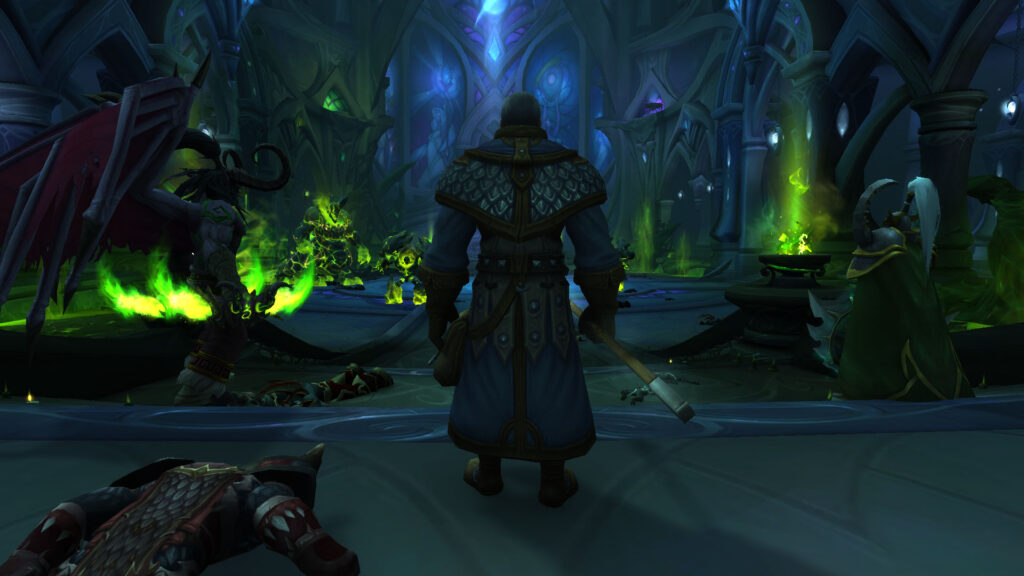
Spreading out reduces the impact of the void attack, which selects players at random. Awareness of the collapsing floor is just as important, so players should always know which parts of the platform remain safe. The raid should agree on safe zones to regroup in after each collapse, so nobody is left behind or confused about where to go next.
| Strategy | Action | Timing | Notes |
|---|---|---|---|
| Spread out | Disperse to avoid void damage | Throughout the fight | Stay aware of the floor |
| Safe zones | Regroup in designated areas | After each collapse | Make sure everyone is accounted for |
| Coordinated movement | Move as a group to avoid overlaps | During the void attack | Communicate to avoid confusion |
Which advanced tactics help?
Smart cooldown usage, class-specific tools and steady communication.
Know what your class can do. Some classes have mobility that lets them reposition quickly when the void attack lands, while others can supply strong healing boosts in dangerous moments. External cooldowns shared among raiders take pressure off the healers so they can focus on keeping everyone alive. The best guilds treat this as a puzzle in which every ability has a planned place.
How do you prepare for the fight?
Learn the mechanics, optimize gear and run practice attempts.
Study the encounter well before you step in, and be sure you understand your own job. Strong gear and good consumables raise your ceiling, and practice runs reveal weaknesses in coordination. Setting roles in advance prevents confusion, and honest review of every attempt helps the whole group improve.
Frequently Asked Questions
What is the hardest part?
Managing the collapsing floor while keeping up the damage. A mistake in position can mean falling into the void and a wipe.
How can a guild improve?
Communicate better, optimize cooldown use and practice the mechanics, using review of earlier attempts.
Which classes perform well?
Those with mobility, burst damage and healing tools, such as rogues, mages and druids, are often preferred.