
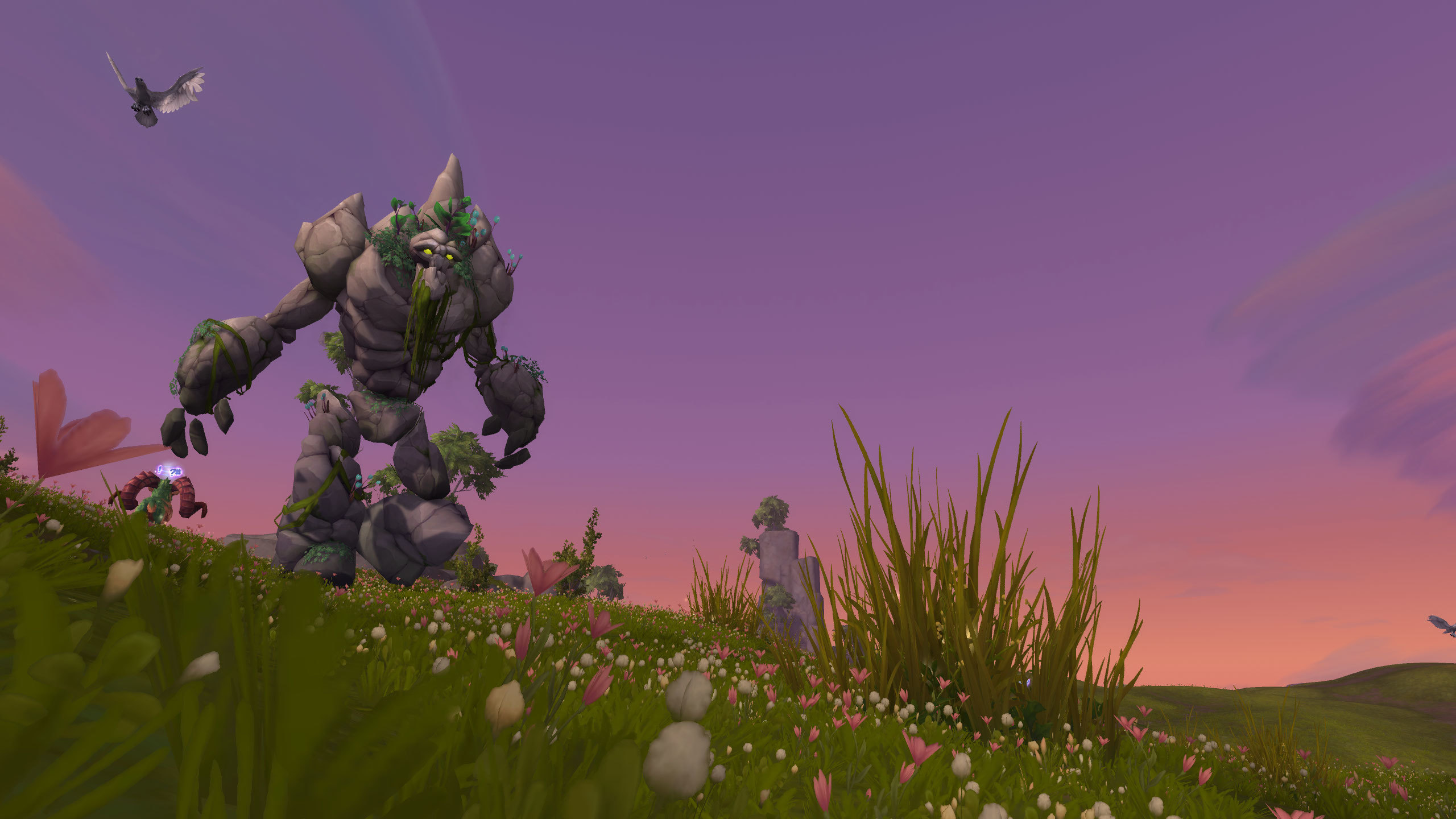
Legacy content revivals have brought renewed attention to expansions many players had left behind. By updating rewards, integrating modern systems, or recontextualizing old activities, these revivals transform nostalgia into active engagement.
The past becomes relevant again, not as a museum, but as playable content.
Why Legacy Content Lost Visibility
As new expansions arrived, older content naturally faded from relevance. Rewards became obsolete, and systems no longer aligned with modern gameplay.
Without incentives, even beloved zones and encounters were abandoned.
What Revivals Change
Revived legacy content is rarely restored unchanged. Instead, it is adapted to fit current expectations.
Updated pacing, rewards, and accessibility make older experiences viable again.
Elements That Drive Renewed Interest
Successful revivals share common traits.
- Modern rewards tied to current progression or cosmetics
- Quality-of-life updates reducing friction
- Clear entry points for new and returning players
- Integration with current systems or events
These changes reframe legacy content as opportunity rather than obligation.
Nostalgia Paired With Discovery
Veteran players revisit familiar spaces with new goals, while newer players experience older expansions without outdated constraints.
This overlap creates shared moments across generations of players.
Long-Term Value Beyond the Revival Window
Well-executed revivals leave lasting impact. Once systems and rewards are updated, legacy content remains playable rather than rotating out again.
This extends the usable world without fragmenting the player base.
Conclusion
Legacy content revivals succeed by turning forgotten expansions into relevant experiences once more. By respecting nostalgia while modernizing structure and rewards, they reconnect players with the game’s history in a way that feels fresh and meaningful.