
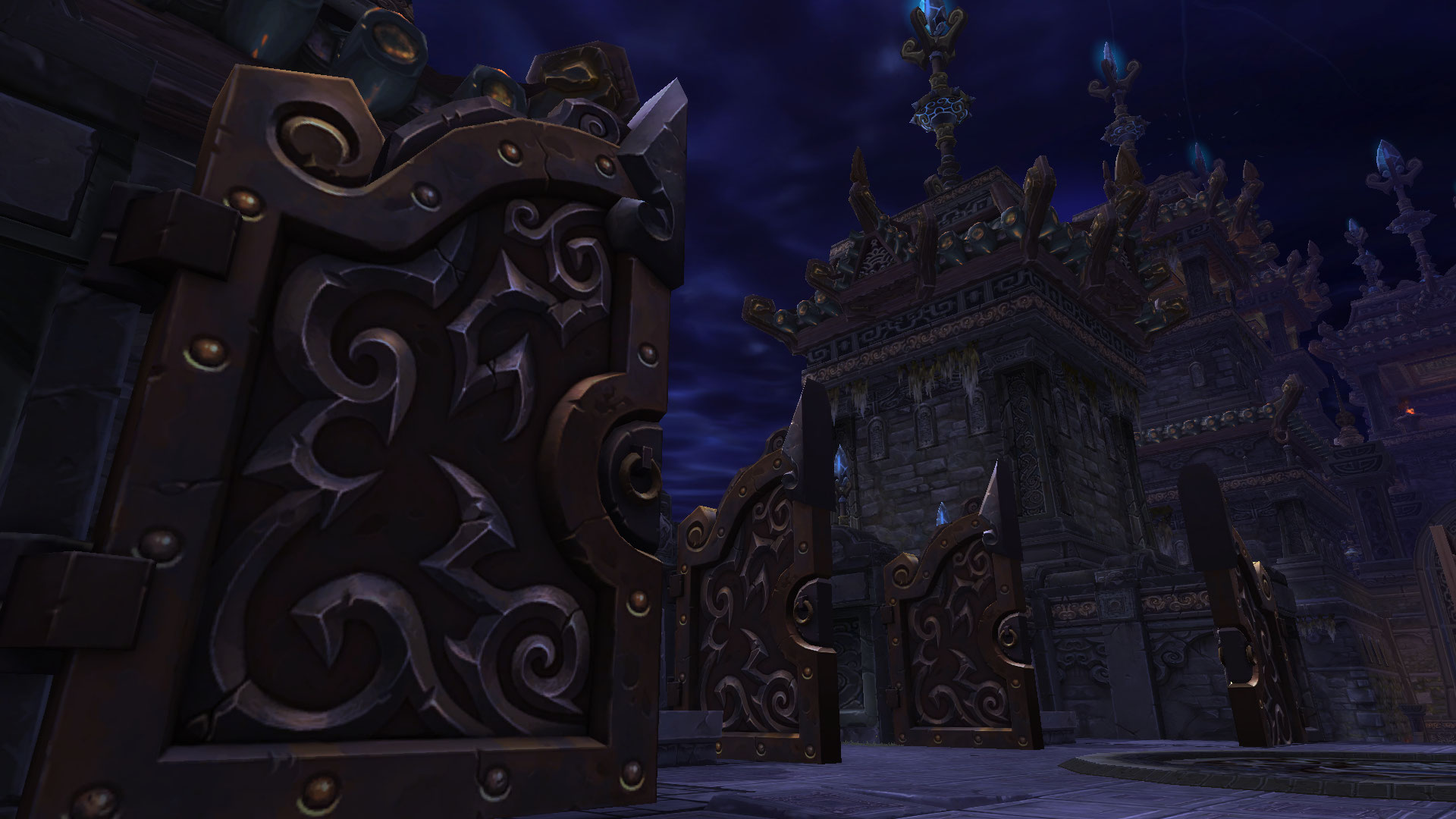
Lei Shen, known as the Thunder King, is a pivotal figure in the lore of World of Warcraft, particularly within the Pandaria expansion. His rise to power is marked by the appropriation of Titan technology and a ruthless approach to governance. This article delves into the intricate details of how Lei Shen established his empire, the mechanisms behind his power, and the implications of his tyrannical rule.
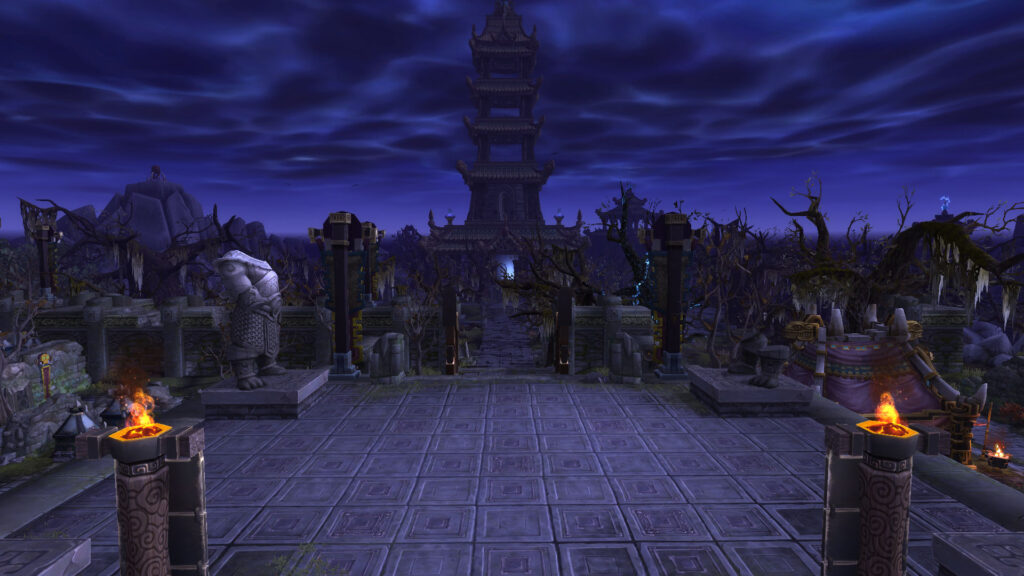
What Were the Key Factors Behind Lei Shen’s Rise to Power?
Lei Shen’s rise to power was driven by his mastery of Titan technology, strategic alliances, and an unyielding desire for control.
In the lore of Pandaria, Lei Shen emerged as a formidable warlord who recognized the potential of the ancient Titan artifacts scattered across the land. His ambition was not merely to unify the Mogu but to dominate all of Pandaria. The Thunder King’s ability to harness Titan technology allowed him to manipulate the very forces of nature, giving him an edge over his rivals. This mastery was crucial in establishing his rule, as it provided him with both military might and the ability to instill fear among his enemies. Furthermore, his strategic alliances with other Mogu clans and the manipulation of the Sha, dark manifestations of negative emotions, played a significant role in consolidating his power.
Moreover, Lei Shen’s approach to leadership was characterized by an iron-fisted tyranny that suppressed dissent and eliminated threats. He employed a network of spies and enforcers to maintain control over his subjects, ensuring that any opposition was swiftly dealt with. This culture of fear not only solidified his rule but also fostered a sense of loyalty among his followers, who were often rewarded for their obedience. The combination of technological superiority, strategic alliances, and ruthless governance created a powerful empire that would leave a lasting impact on the history of Pandaria.
How Did Lei Shen Utilize Titan Technology to Strengthen His Empire?
Lei Shen effectively harnessed Titan technology to enhance his military capabilities and exert control over Pandaria.
The ancient Titans left behind powerful artifacts and constructs that Lei Shen sought to exploit. By studying these remnants, he learned to create advanced weaponry and defensive structures that were unmatched by any other faction. The Thunder King’s ability to reanimate and control Titan constructs, such as the powerful Sentinels, provided him with a formidable army that could overpower his enemies. Additionally, he utilized the technology to create the Thunderforged, a race of Mogu warriors imbued with Titan power, further augmenting his military strength.
- Identify and secure Titan relics across Pandaria to enhance military capabilities.
- Develop advanced weaponry using Titan technology, focusing on both offense and defense.
- Reanimate Titan constructs to serve as loyal soldiers in his army.
- Utilize Titan energy to bolster the strength and resilience of his Mogu warriors.
These technological advancements not only provided Lei Shen with a significant edge in battle but also allowed him to project power across the region. His forces could withstand assaults that would have decimated lesser armies, and his reputation as a powerful warlord grew exponentially. The strategic use of Titan technology was a cornerstone of his empire, allowing him to maintain dominance over his subjects and rivals alike.
What Were the Consequences of Lei Shen’s Tyranny on Pandaria?
Lei Shen’s tyranny led to widespread suffering, resistance movements, and ultimately, his downfall.
The oppressive regime established by Lei Shen had dire consequences for the inhabitants of Pandaria. His rule was marked by forced labor, the suppression of cultural practices, and the exploitation of resources. The Mogu, under his command, enforced strict laws that stifled any form of dissent, leading to a climate of fear and resentment among the populace. This tyranny not only affected the Mogu but also the other races of Pandaria, who found themselves caught in the crossfire of his ambitions.
| Consequence | Description | Impact on Society | Long-term Effects |
|---|---|---|---|
| Suppression of Culture | Eradication of local traditions and practices. | Loss of identity among the Mogu and other races. | Resurgence of cultural movements post-tyranny. |
| Forced Labor | Enslavement of various races for construction and military purposes. | Widespread resentment and rebellion. | Formation of resistance factions. |
| Exploitation of Resources | Overuse of natural resources to fuel his empire. | Environmental degradation and resource scarcity. | Long-term ecological consequences. |
As the suffering of the people grew, so did the seeds of rebellion. Various factions began to unite against Lei Shen, leading to a series of uprisings that would eventually culminate in his downfall. The consequences of his tyranny were felt long after his defeat, as the scars of oppression took years to heal. The legacy of Lei Shen serves as a cautionary tale about the dangers of unchecked power and the resilience of those who resist tyranny.
What Tactical Strategies Did Lei Shen Employ to Maintain Control?
Lei Shen employed a variety of tactical strategies, including fear, propaganda, and military prowess, to maintain his control.

To ensure his grip on power, Lei Shen utilized fear as a primary tool of governance. By showcasing the might of his Titan-forged army and the consequences of rebellion, he instilled a deep sense of dread among his subjects. Propaganda played a crucial role in shaping the narrative around his rule, portraying him as a benevolent leader who brought order to chaos. This manipulation of information helped to quell dissent and foster loyalty among those who benefited from his regime.
Additionally, Lei Shen maintained a highly organized military structure that allowed for rapid response to threats. His generals were empowered to act decisively, ensuring that any signs of rebellion were swiftly crushed. This military efficiency was complemented by a network of spies and informants who reported on any potential dissenters, allowing Lei Shen to preemptively neutralize threats. The combination of fear, propaganda, and military might created a formidable barrier against rebellion, ensuring that his empire remained intact for as long as it did.
How Did Lei Shen’s Empire Influence Future Generations?
Lei Shen’s empire left a lasting impact on Pandaria, shaping its history and influencing future leaders.
The legacy of Lei Shen’s rule can be seen in the political landscape of Pandaria long after his defeat. His use of Titan technology set a precedent for future leaders who sought to harness ancient powers for their own purposes. The fear and oppression experienced during his reign created a collective memory that would inform the actions of subsequent generations. Leaders who emerged in the wake of his tyranny often sought to distance themselves from his methods, promoting ideals of freedom and cooperation.
Moreover, the resistance movements that formed during Lei Shen’s rule laid the groundwork for future alliances among the various races of Pandaria. The shared struggle against tyranny fostered a sense of unity that would be crucial in facing new threats. As the people of Pandaria rebuilt their society, they carried with them the lessons learned from Lei Shen’s oppressive regime, striving to create a more equitable and just world. His influence, while rooted in tyranny, ultimately contributed to a stronger, more resilient Pandaria.
What Are the Best Practices for Understanding Lei Shen’s Legacy?
To fully grasp Lei Shen’s legacy, one must study the historical context, the impact of Titan technology, and the societal changes that followed his reign.
Understanding Lei Shen’s legacy requires a multifaceted approach that considers the historical context of his rise and fall. Engaging with the lore of Pandaria through quests, dialogues, and in-game texts provides valuable insights into the complexities of his character and the world he inhabited. Additionally, examining the technological advancements he made through Titan artifacts helps to contextualize his power and the fear he instilled in others.
Moreover, analyzing the societal changes that occurred in the aftermath of his tyranny is crucial for a comprehensive understanding of his impact. This includes studying the formation of new alliances, the resurgence of cultural practices, and the evolution of governance in Pandaria. By taking a holistic view of Lei Shen’s legacy, players and lore enthusiasts can appreciate the intricate dynamics of power, resistance, and resilience that define this chapter of World of Warcraft’s history.
Frequently Asked Questions
What motivated Lei Shen to seek Titan power?
Lei Shen was motivated by a desire for dominance and control over Pandaria. He recognized the potential of Titan technology to enhance his military capabilities and establish a powerful empire. His ambition drove him to seek out and harness these ancient artifacts, believing they would solidify his rule.
How did Lei Shen’s tyranny affect the Mogu?
The Mogu suffered greatly under Lei Shen’s tyranny, facing forced labor and cultural suppression. His oppressive regime created a climate of fear, leading to widespread resentment and the eventual formation of resistance movements among the Mogu and other races of Pandaria.
What lessons can be learned from Lei Shen’s rule?
Lei Shen’s rule serves as a cautionary tale about the dangers of unchecked power and tyranny. It highlights the importance of resilience in the face of oppression and the need for unity among diverse groups to resist authoritarian regimes. His legacy also emphasizes the significance of cultural identity and the impact of technological advancements on society.