
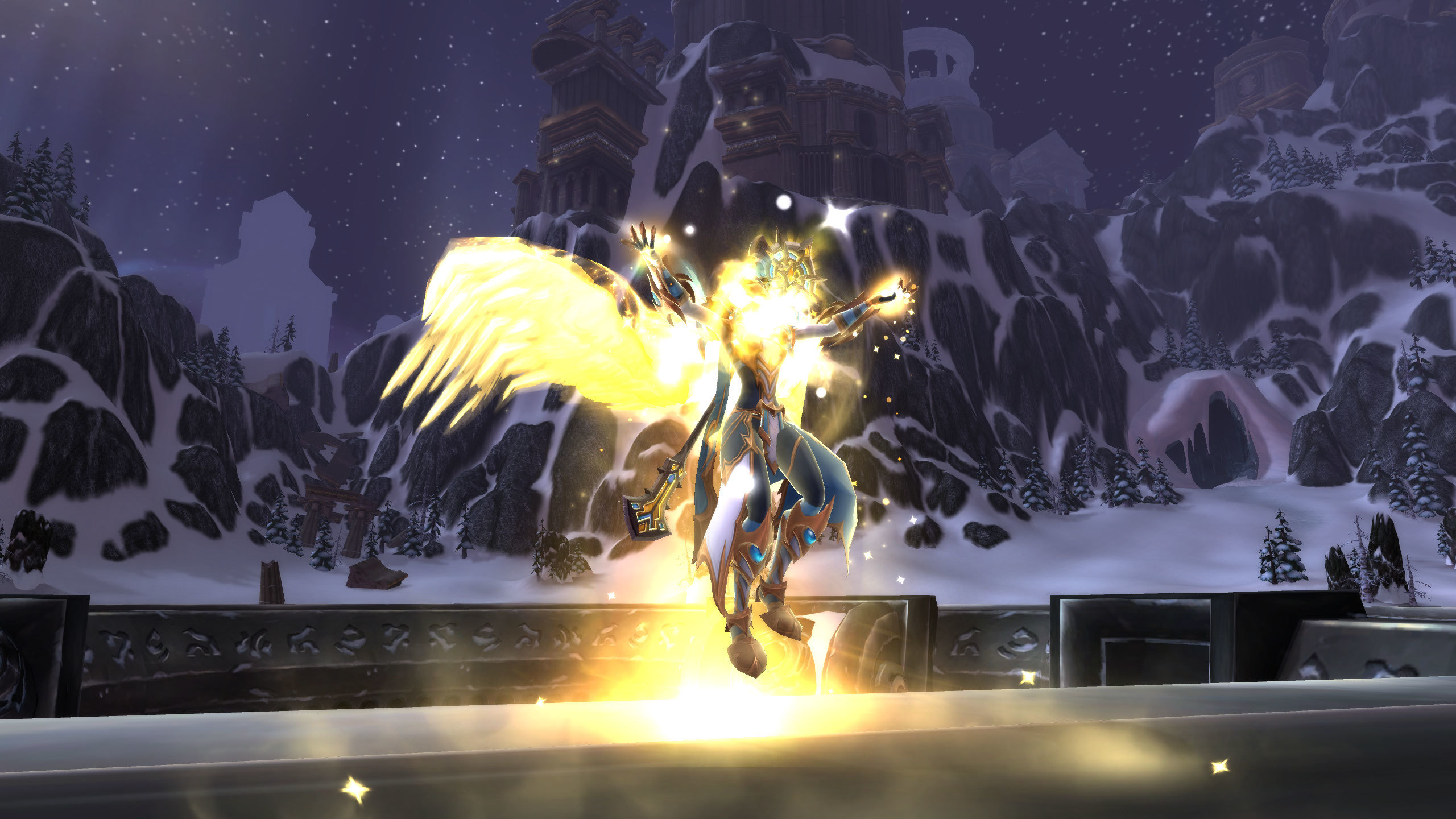
Allied Races were introduced as a way to expand racial diversity while grounding new options firmly within existing lore. Unlike original races available at character creation, Allied Races require deliberate effort to unlock, tying them to narrative completion, faction alignment, and long term progression. Their accompanying heritage armor sets further reinforce this philosophy by rewarding commitment rather than convenience.
This article examines the purpose behind Allied Race unlock requirements, how heritage armor functions as a prestige system, and why these races represent a different design philosophy than traditional character options.
The Design Intent Behind Allied Races
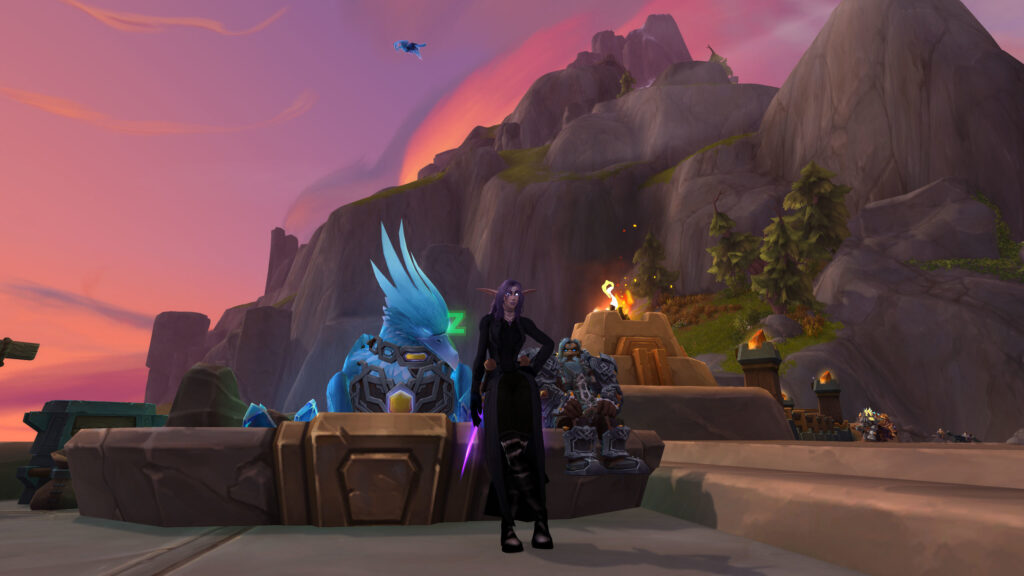
Allied Races were never intended to be immediately accessible. Their unlock requirements act as narrative gates, ensuring that players understand the cultural and historical context of each race before playing one. This approach reframes race selection as an earned identity rather than a cosmetic preference.
By tying access to specific storylines and reputations, the system encourages engagement with older content and reinforces factional perspective. Players are not simply choosing how their character looks, but affirming a relationship with that race’s history and values.
Unlock Requirements as Narrative Validation
Each Allied Race requires completion of key narrative arcs that establish trust or allegiance. These requirements function as narrative validation, signaling that the player has meaningfully interacted with the race before embodying it. This distinguishes Allied Races from baseline options that lack narrative prerequisites.
While some players view these requirements as barriers, they serve a structural purpose. They ensure consistency between story progression and player identity, preventing dissonance where a character represents a culture the player has never encountered.
Heritage Armor as a Commitment Reward
Heritage armor sets are designed to reward long term dedication rather than efficiency. To earn them, players must level an Allied Race character from early levels without using paid or instant progression methods. This restriction reinforces the idea that heritage armor represents lived experience within that race.
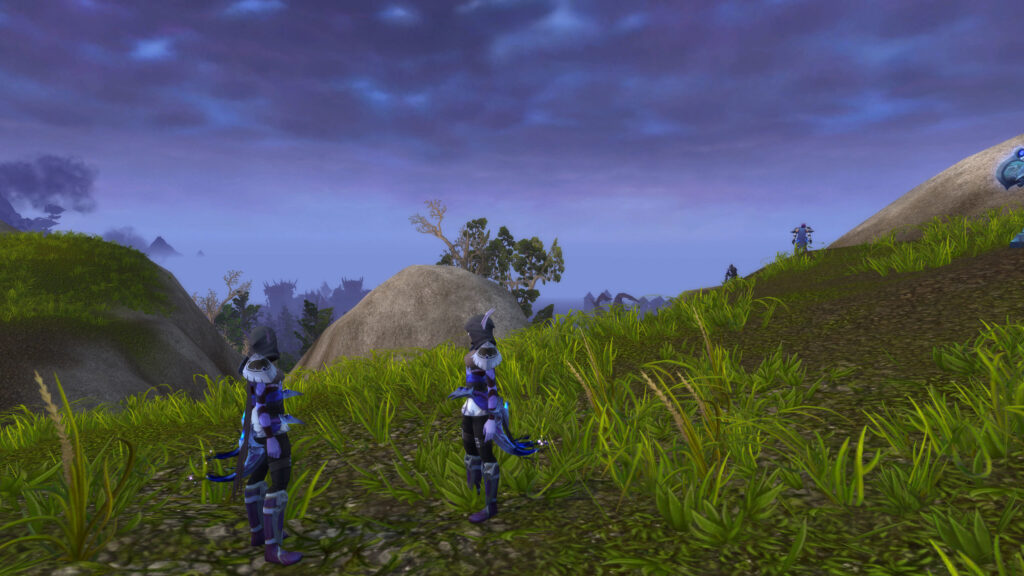
Visually, these sets emphasize cultural motifs, historical symbolism, and racial identity. They are not meant to be interchangeable cosmetics, but visual declarations of commitment. Their value is social rather than mechanical, signaling time invested rather than power gained.
Overview of Allied Races and Their Heritage Themes
- Void themed races emphasizing exile, control, and ideological conflict
- Highborne derived races centered on arcane mastery and tradition
- Militaristic races defined by survival, discipline, and honor
- Nomadic or tribal races reflecting adaptability and cultural resilience
- Engineered or altered races shaped by external forces and experimentation
Why Heritage Armor Cannot Be Shortcutted
The restriction against boosts for heritage armor acquisition is intentional. It preserves the symbolic meaning of the reward by ensuring that every player who wears it has experienced the leveling journey firsthand. This design resists efficiency driven optimization in favor of narrative integrity.
By enforcing this rule, the system creates a clear distinction between convenience based progression and identity based progression. Heritage armor is not about reaching endgame faster, but about inhabiting a race long enough to internalize its identity.
Conclusion: Allied Races as Earned Identity
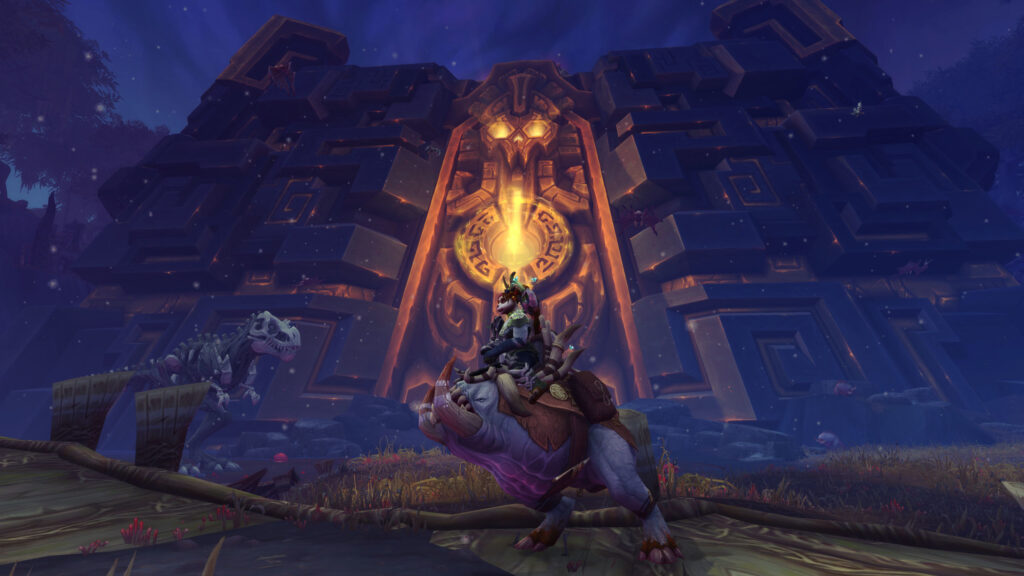
Allied Races represent a shift in how character options are framed. Rather than offering immediate access, they ask players to invest time and attention in the world’s history. This investment transforms race selection into a meaningful decision rather than a superficial one.
Heritage armor completes this loop by providing a visible marker of commitment. Together, Allied Races and their armor sets reinforce the idea that identity in World of Warcraft is not just chosen, but earned through engagement, understanding, and time spent within the world.