
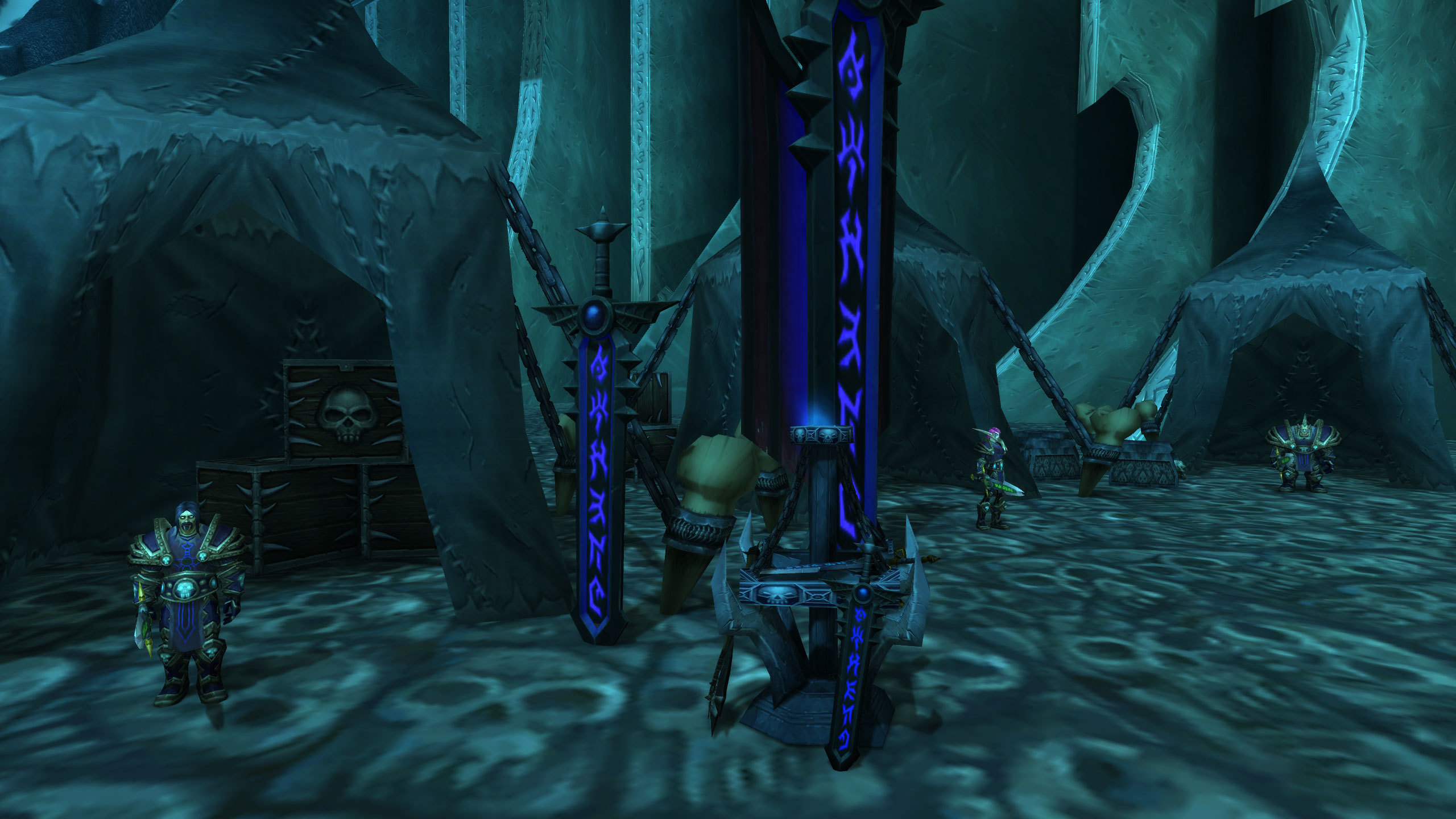
The Forsaken, one of the most intriguing and tragic factions in World of Warcraft, are defined by their struggle with identity, purpose, and morality. Originally created as the Scourge’s mindless undead, the Forsaken broke free from the Lich King’s control and forged their own path.
However, this newfound freedom came at a cost: the loss of their humanity. The Forsaken’s identity crisis, the question of who they are now that they no longer belong to the living or the dead, remains one of the darkest and most compelling themes in Warcraft’s ongoing narrative. This article explores why the Forsaken’s crisis of identity continues to resonate with players and how it shapes their journey in Azeroth.
The Forsaken’s Creation: A Curse of Death and Rebirth
The Forsaken’s creation was born out of tragedy. Originally part of the human kingdom of Lordaeron, the Forsaken were brought back to life by the Lich King as part of his Scourge army. These once-proud citizens were reduced to mindless zombies, controlled by the Lich King. However, after breaking free from the Lich King’s control, the Forsaken faced the harsh reality that they were no longer fully alive, yet not truly dead either.
Their existence as the undead is a constant reminder of their brokenness — they are neither living nor truly dead. This state of being is the root of their identity crisis, as they struggle to find meaning in a world that rejects them both as former humans and as mere monsters.
- Rebirth from Death: The Forsaken’s resurrection from the Scourge left them in a state of existential limbo.
- Loss of Humanity: The Forsaken struggle with the loss of their human identities and the knowledge that they can never truly return to their former lives.
- Isolation: The Forsaken exist on the fringes of both the living and the dead, rejected by both sides of the conflict.
The Search for Meaning: The Forsaken’s Quest for Purpose
The Forsaken’s identity crisis is further complicated by their quest for purpose. In the wake of their liberation from the Scourge, the Forsaken found themselves without a clear identity or a place in the world. They sought to establish themselves as a sovereign people, but their desire for independence often led them into conflict with both the living and the dead.
Their struggle for purpose is not just about survival; it is about defining who they are. The Forsaken have created their own society, one built on the ideals of freedom and revenge, yet these ideals are often tainted by their inability to escape their past as instruments of death. Their identity crisis is intertwined with their desire to prove themselves, to show that they can live — or exist — on their own terms, without the influence of their former masters.
The Dark Reality of the Forsaken’s Existence
At the heart of the Forsaken’s identity crisis is the dark reality of their existence. They live in a constant state of decay, physically deteriorating with every passing day. Unlike other races, they do not grow old or age naturally; instead, their bodies slowly break down, reminding them daily that they are not truly alive. This constant decay is a powerful metaphor for their internal struggle — no matter how much they try to escape their past, they are constantly reminded that they are not human, and they never will be again.
This existential dilemma is a source of much of their inner turmoil. The Forsaken are trapped in a cycle of death, with no clear escape, and their inability to find true peace or a clear identity makes their struggle one of the darkest ongoing themes in Warcraft’s lore.
- Physical Decay: The Forsaken’s bodies deteriorate over time, constantly reminding them of their undead nature.
- Internal Struggle: The Forsaken wrestle with their identity as both the living and the dead, never able to fully embrace either side.
- Seeking Redemption: The Forsaken long for a sense of redemption or peace, but their past as instruments of death often stands in their way.
The Forsaken’s Identity Crisis in the Context of Warcraft’s Larger Narrative
The Forsaken’s identity crisis is not just a personal struggle; it is a reflection of the larger themes of Warcraft. Much of the game’s narrative is about the conflict between light and darkness, between life and death, and the Forsaken’s journey epitomizes this struggle. They are caught between these two extremes — unable to fully embrace the light of life, yet not fully submerged in the darkness of death.
Through the Forsaken, Warcraft explores deeper philosophical themes about identity, the consequences of war, and the search for meaning in a world that is often unkind to those who are different. Their journey is a testament to the resilience of the human spirit, even when that spirit is trapped in a decaying, undead body.
Conclusion
The Forsaken’s identity crisis is one of Warcraft’s darkest and most enduring themes. They are a faction defined by loss, pain, and an ongoing struggle to define who they are in a world that rejects them. Their journey is one of redemption, but also of suffering and existential despair.
As they continue to evolve and shape the future of Azeroth, the Forsaken’s identity crisis remains at the heart of their story — a powerful reminder of the complexities of life, death, and what it means to find one’s place in the world.